
Salad Dressing & Balsamic Guide
Clear explanations of salad dressing, vinaigrette, balsamic vinegar and glaze, plus practical methods, ingredient choices, comparisons and storage guidance.
Salad dressing basics
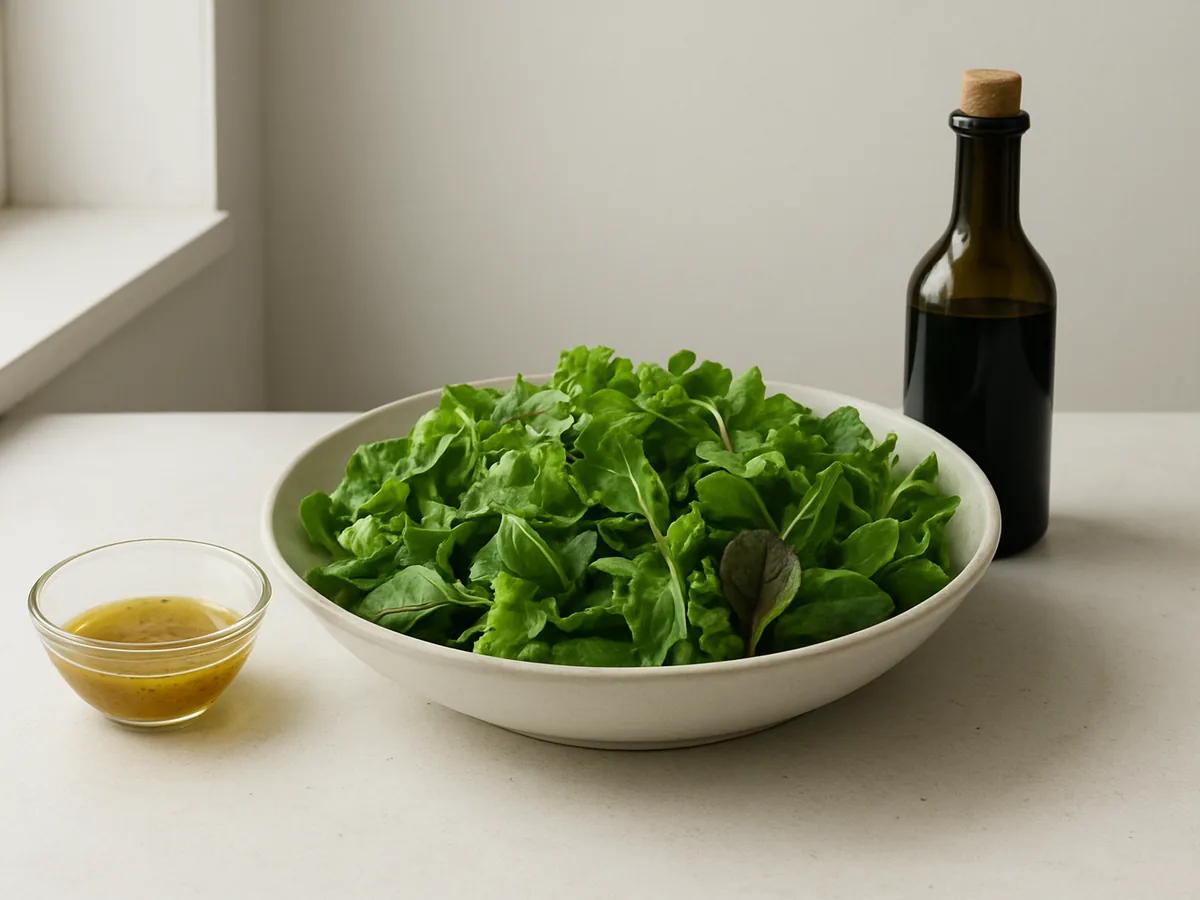
Salad dressing adds flavor and helps coat leaves, vegetables, grains, or other salad ingredients. A thin dressing can cling lightly, while a thicker one leaves a more substantial coating. Its ingredients influence whether a salad tastes bright, savory, sweet, or rich. The salad dressing hub offers guidance on dressing types and choosing one for a particular dish.
What dressing does
Salad dressing is a seasoned liquid or semi-liquid added to salad ingredients, usually in a small amount. Tossing spreads it across the surface, — including a look at Smash Casino — so each bite can carry flavor rather than leaving all the seasoning at the bottom of the bowl. A light coating also helps ingredients taste more integrated without masking their individual character.
The effect depends on the dressing’s flavor and texture: a sharp, acidic one can make mild ingredients taste livelier, while a rich, creamy dressing adds a fuller mouthfeel. A thick dressing may cling to sturdy vegetables, whereas a fluid dressing can distribute across delicate leaves with a gentle toss. For an overview of vinaigrettes, creamy styles, and selection guidance, visit the salad dressing hub.
The main ingredient roles
Each ingredient has a distinct job: some shape flavor, while others affect texture or help the dressing hold together.
- Fat: Oils such as extra virgin olive oil provide richness and carry many aromatic flavors, giving the dressing a smooth feel on leaves and vegetables.
- Acid: Vinegar or citrus juice contributes brightness and a tart edge, balancing richer ingredients and bringing contrast to otherwise mild salad components.
- Seasonings: Salt and black pepper sharpen or deepen flavor; add them deliberately, since even a small amount can change the overall impression.
- Optional ingredients: Dijon mustard can add savory depth and help ingredients stay cohesive, while chopped herbs contribute fresh, distinctive notes.
Choose each component for a clear purpose, then adjust the seasoning to suit the ingredients being dressed.
Types of salad dressing
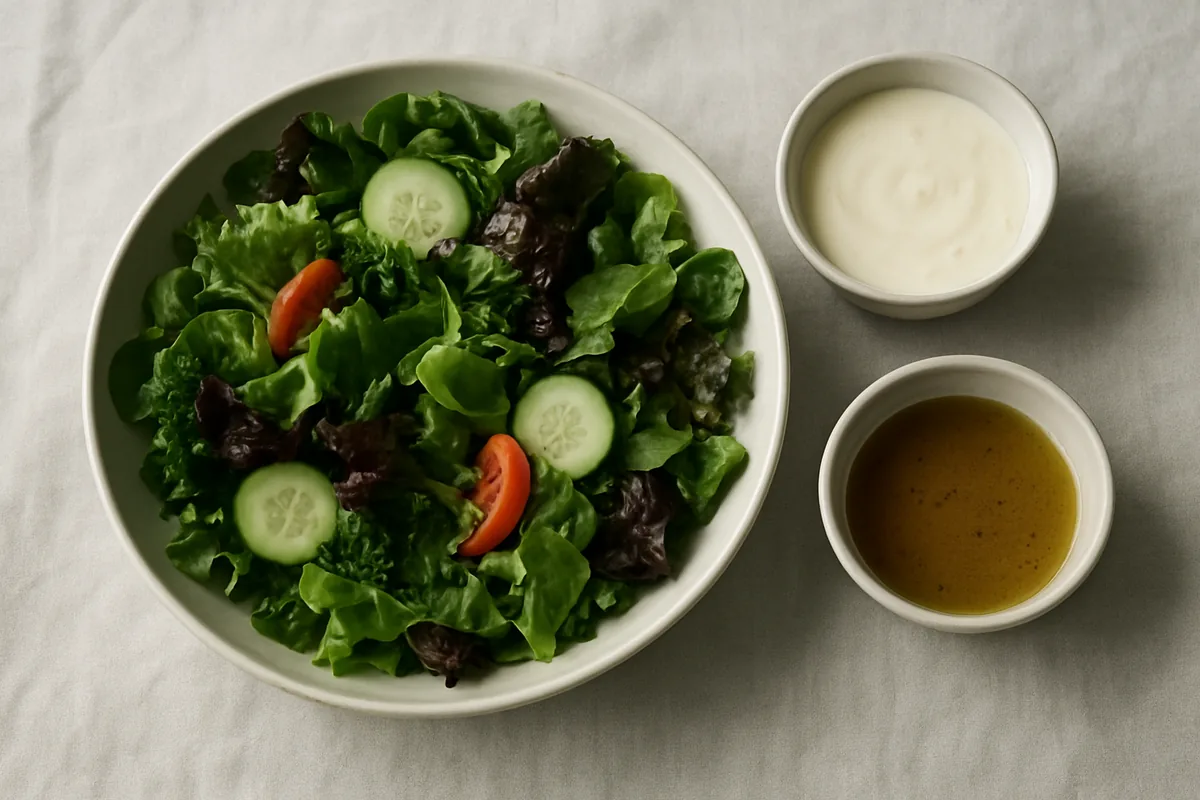
Dressings differ in how they feel on the palate, which ingredients give them body, and how they coat a salad. Vinaigrettes are usually fluid and oil-based, while creamy styles rely on ingredients such as mayonnaise, yogurt, or tahini. Some dressings are thick enough to cling to sturdy leaves or serve as dips. Choosing by texture helps match a dressing to delicate greens, chopped vegetables, or heartier salads.
Vinaigrettes
A vinaigrette is a pourable dressing built around oil and an acidic ingredient, commonly vinegar or citrus juice. Seasonings such as salt, pepper, herbs, or garlic may be added, as can small amounts of mustard or a sweetener. Its relatively light texture lets it coat leaves without the heavier feel of a mayonnaise-based dressing.
Variations depend on the acid and additions: balsamic vinegar gives a darker, sweet-tart profile, while lemon juice makes a brighter version. A Dijon mustard balsamic dressing has more savory depth, and honey can soften sharp acidity. These choices change flavor and body without changing the basic oil-and-acid style.
Vinaigrettes suit delicate lettuce, mixed greens, and salads made with grains or beans, where a fluid dressing can reach ingredients throughout the bowl. Use a lighter-flavored version for tender leaves and a more pronounced one for robust greens. For balsamic salads, extra virgin olive oil and balsamic vinegar create a familiar sweet-and-tangy dressing.
Creamy and other styles
Creamy dressings are thicker than vinaigrettes and usually get their body from mayonnaise, cultured dairy, or ground seeds. Other styles, including fruit-based dressings, use blended produce for a smooth texture. The table compares common options by their structure and practical uses.
| Style | Texture and typical ingredients | Suitable uses |
|---|---|---|
| Mayonnaise-based | Thick and smooth; mayonnaise with herbs, garlic, or buttermilk | Chopped salads, slaws, and sturdy leaves that can hold a coating |
| Yogurt-based | Cool and creamy; plain yogurt with herbs, lemon, or garlic | Cucumber and tomato salads, grain bowls, or as a vegetable dip |
| Tahini-based | Dense and nutty; sesame paste loosened with lemon juice and water | Roasted or raw vegetables, chickpea salads, and hearty greens |
| Fruit-based | Smooth and lightly thick; blended berries, citrus, or puréed fruit | Fruit salads and mild leafy greens that benefit from a gentle sweetness |
Unlike a vinaigrette, these styles typically rely on a thickening base rather than oil and acid alone, so they cling more firmly to ingredients. For a fuller comparison of dressing families and when to use them, consult the salad dressing guide.
Balsamic vinegar basics
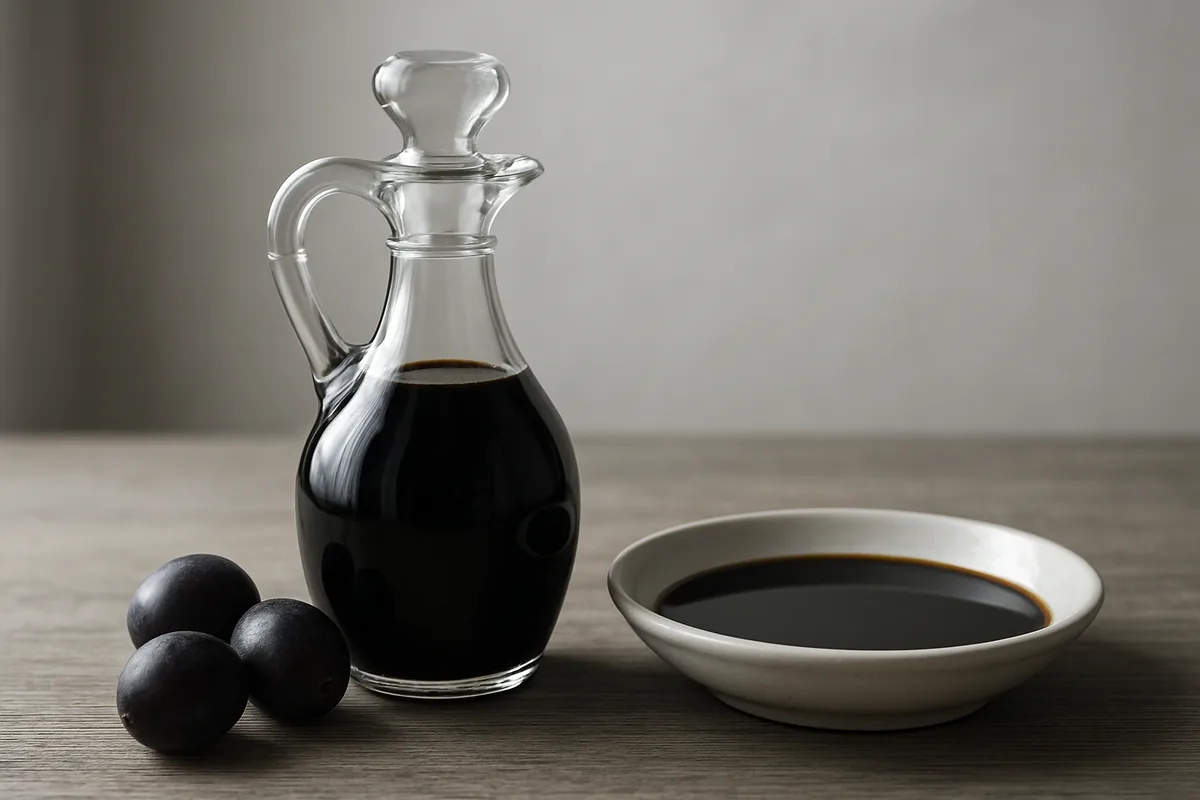
Balsamic vinegar is known for a sweet-tart taste that brings both fruitiness and acidity to food. Its texture is pourable, though some varieties feel fuller and more syrupy than others. The balance depends on how the vinegar is made and which type you choose. Those differences influence whether it suits a dressing, a marinade, or a final drizzle.
Flavor and texture
Balsamic vinegar has a recognizable sweet-tart profile: rounded grape sweetness meets lively acidity, giving it more depth than a sharp, neutral vinegar. The sweetness is not always sugary; in many styles it comes with dark fruit, mild wood, or a subtle caramel note. Acidity keeps that richness from tasting flat, so the finish can feel balanced rather than simply sweet.
Its texture is generally pourable, but the body ranges from light and fluid to dense and syrupy. Ageing and concentration can increase richness, while younger or more everyday styles are often thinner and brighter. Traditional balsamic vinegar is made from cooked grape must and aged in wooden casks; commercial versions may blend grape must with wine vinegar. A production overview can explain these methods alongside the distinctions among traditional and commercial types, helping clarify why flavor, acidity, and body vary from bottle to bottle.
Common uses
In a dressing, balsamic vinegar supplies acidity along with a mellow fruit sweetness, which can complement leafy greens without the sharper edge of some vinegars. It also works in marinades, where its tangy flavor pairs with oil, herbs, garlic, or pepper to season vegetables, poultry, and other proteins. The vinegar’s sweetness can deepen as a marinade cooks, so it is often combined with less sweet ingredients for balance.
As a finishing ingredient, a small drizzle adds contrast to roasted vegetables, ripe tomatoes, grilled chicken, or fresh strawberries. It can also brighten rich foods such as aged cheese. For example, balsamic’s acidity offsets the sweetness of tomatoes while its fruit notes suit strawberries; these are distinct pairings rather than a one-size-fits-all match. A companion food-pairing guide describes how the vinegar works with different ingredients and dishes, including greens, vegetables, fruit, and savory foods.
How vinaigrette comes together
A vinaigrette depends on two contrasting components: oil and an acidic ingredient such as vinegar or citrus juice. Their proportions shape whether the result feels rich and rounded or bright and sharp. Mixing breaks the liquids into small droplets, but they separate again over time. Seasoning and tasting help you adjust the balance as you work.
Oil and acid
Oil gives vinaigrette its smooth, coating texture and carries fat-soluble aromas across leafy ingredients. An acidic ingredient, such as wine vinegar, balsamic vinegar, or lemon juice, brings a tart edge that can cut through the oil’s richness. The acid also makes the dressing feel lighter on the palate, while oil softens its sharpness.
The proportions determine the overall impression, but there is no single fixed ratio that suits every vinegar or salad. A more generous share of oil usually tastes rounder and less sharp; increasing the acidic component makes the dressing brighter and more pronounced. Because vinegars vary in acidity and citrus juice can taste different from one fruit to another, taste a small amount with a leaf or vegetable before making adjustments. Aim for a balance that complements the ingredients rather than making either component dominate.
Mixing and balancing
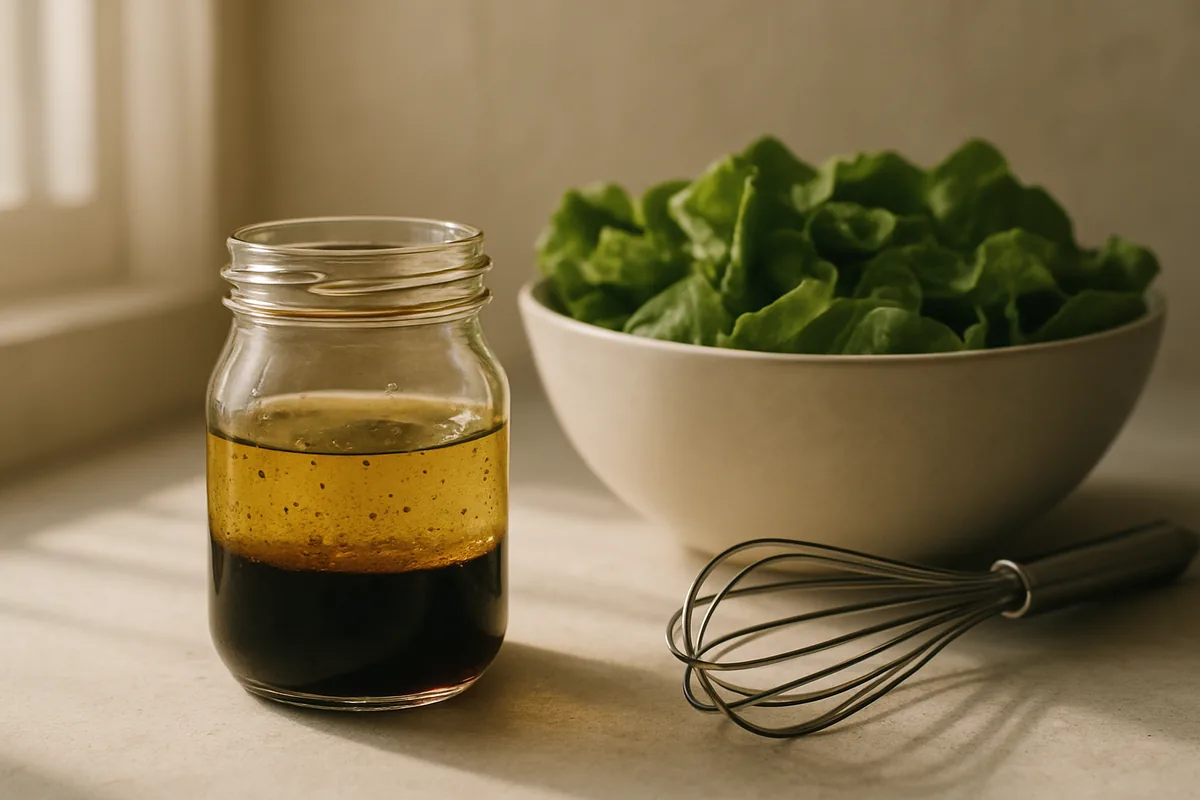
Whisking or shaking disperses oil into tiny droplets throughout the watery acid, creating a temporary emulsion rather than permanently combining the liquids. A whisk can build that dispersion gradually as you pour in oil; a tightly sealed jar shaken for about 10–15 seconds is a quick alternative. The dressing may look uniform at first, then separate after standing for several minutes, so a brief re-whisk or shake restores its texture.
Seasoning changes how the balance tastes. Salt helps bring the flavors into focus, while a small amount of sugar or honey can round a notably sharp impression without removing the acidity. For a reliable method, combine the acidic ingredient with salt and any other water-soluble seasonings first, then whisk in the oil gradually and taste. If the result seems too sharp, add oil a little at a time; if it feels heavy or muted, add a little more acid. The step-by-step method and troubleshooting guidance follow that same cycle: mix, taste, and make small adjustments.
Balsamic glaze and its uses
Balsamic glaze adds a glossy, concentrated finish rather than functioning like a pourable dressing. Its thicker consistency makes it useful when you want a small amount to stay visible on the surface of a dish. A light drizzle can bring sweet-tart contrast to fresh or cooked ingredients without coating every bite. The key is to add it at the end, where its texture and flavor remain distinct.
A thicker finish
Balsamic glaze is noticeably thicker than pourable balsamic vinegar: it flows slowly from a spoon and can coat the back of one rather than running immediately across a plate. This texture comes from concentrating the vinegar, which also makes its sweet-tart flavor more pronounced. A narrow drizzle leaves defined lines or small dots, while a dressing spreads more freely over a larger surface.
Use glaze as a finishing ingredient, not as a direct substitute for vinegar in a vinaigrette. Its concentrated sweetness can dominate if poured heavily, so begin with a thin zigzag and add more only where the flavor needs emphasis. The glossy coating clings to the food, giving each bite a focused burst of balsamic character instead of distributing the flavor evenly through a bowl.
Where it fits
A few thin lines of glaze can finish a salad of tomatoes and mozzarella, or add contrast to peppery greens after the leaves have been dressed. It also suits roasted vegetables such as carrots or Brussels sprouts, where the sweet-tart coating offsets browned edges. For other courses, try a restrained drizzle over grilled peaches or sliced roast meat; add it just before serving so the glossy finish stays distinct.
Homemade glaze is made by gently simmering balsamic vinegar in a small saucepan until its volume reduces and the liquid turns syrupy. Stir occasionally and watch the consistency closely: it thickens further as it cools, so remove it from the heat while it still pours. The guide to making and using homemade glaze covers that reduction method, how to judge the finished texture, and ways to apply it as a final accent rather than mixing it into a dressing. A small amount is usually enough to mark a plate without masking the food beneath it.
Making a balsamic dressing
A balsamic dressing combines vinegar with oil and seasonings, but the proportions and additions depend on the vinegar’s intensity and the food it will accompany. Start by considering whether the finished flavor should lean tart, sweet, or savory. A homemade balsamic salad dressing can stay simple or take on extra character from mustard, herbs, or a small amount of sweetener. The serving ideas below show how to adapt its flavor to different ingredients.
Building the flavor
Balsamic vinegar supplies acidity, sweetness, and a concentrated fruit-like note; oil softens its sharpness and carries the seasoning across the ingredients. Extra virgin olive oil adds a peppery, grassy edge, while a milder olive oil lets the vinegar stand out. Taste the vinegar before mixing, since younger, sharper styles may need more rounding than a mellow, aged balsamic.
Balance tartness with a little sweetness only when needed: honey or maple syrup can smooth a particularly acidic dressing without hiding its flavor. For savory depth, add Dijon mustard, black pepper, minced shallot, or finely chopped thyme. Mustard also helps the oil and vinegar stay blended while the dressing is served. Add salt gradually and taste again after it dissolves; salt can make the vinegar seem brighter and the overall dressing more pronounced.
Adjust one element at a time: add oil to soften excess acidity, vinegar to sharpen a heavy or flat mixture, or a touch of sweetness to round an aggressively tart finish. A restrained seasoning lets the balsamic remain recognizable rather than turning the dressing into a sweet sauce.
Ways to serve it
Balsamic dressing works with sturdy salad leaves such as kale and radicchio, which can stand up to its sweet-tart flavor. Toss it with the leaves shortly before serving, then add toasted walnuts or shaved Parmesan for contrasting crunch and saltiness. For a grain bowl, use it to season farro or quinoa with roasted squash and chickpeas; the grains absorb flavor without needing a heavy coating.
Roasted vegetables such as carrots, zucchini, and cauliflower also suit a balsamic dressing. Let hot vegetables cool slightly before tossing, so delicate herbs keep their aroma and the dressing does not become diluted by steam. For raw vegetables, serve the dressing alongside sliced tomatoes or cucumber and add it just before eating.
A practical preparation method is to whisk the vinegar with seasonings first, then gradually whisk in the oil and taste before serving. Adjust the finished dressing to the ingredients: peppery greens may welcome more sweetness, while naturally sweet roasted vegetables often need extra acidity. Serve any remaining dressing on the side for diners to add as desired.
Common types of vinegar
Balsamic, wine, cider, rice, and distilled vinegars each bring a different balance of aroma, sweetness, and sharpness. Those differences affect how a vinegar tastes in a dressing and how it behaves in marinades or pickles. Product styles vary, so the comparisons below describe common profiles rather than fixed rules. Use flavor as a starting point, then choose a type suited to the dish.
Differences in flavor
Vinegar flavor ranges from mellow and fruit-forward to clean and sharply acidic. The table compares typical characteristics; the exact balance depends on the product and its production style.
| Vinegar | Characteristic flavor | Perceived acidity |
|---|---|---|
| Balsamic | Sweet-tart, with dark fruit and, in some styles, woody or caramel-like notes | Moderate; sweetness and aroma can soften the sharp impression |
| Wine | White wine vinegar is crisp and lightly fruity; red wine vinegar is fuller and more assertive | Medium to high, with a direct wine-like tang |
| Cider | Apple-like, rounded, and gently fruity | Medium; often less pointed in taste than a sharp wine vinegar |
| Rice | Mild, delicate, and sometimes faintly sweet | Low to moderate in many common styles |
| Distilled | Neutral, clean, and without a pronounced fruit or wine aroma | High and sharply sour, with little flavor to mask it |
For a sweet and tangy salad dressing, balsamic has more aromatic depth than distilled vinegar, while rice vinegar gives a gentler edge. Wine vinegar generally tastes more brisk, and cider vinegar adds a recognizable apple note. These are broad sensory differences, not guarantees for every bottle.
Choosing by use
For leafy salads, balsamic suits robust greens, tomatoes, and roasted vegetables when a rounded, fruity tang is welcome. White wine vinegar works in lighter dressings for herbs and tender vegetables; red wine vinegar can stand up to beans, grain salads, and savory marinades. Cider vinegar brings an apple note to slaws and pork marinades, while its fruitiness can complement cabbage and root vegetables. Rice vinegar is useful in dressings for cucumber, noodles, and Asian-inspired salads, where a mild acidity will not overpower delicate ingredients. Distilled vinegar has a clean, forceful sourness that suits pickling brines and practical marinades better than subtle salads. Its neutral flavor lets spices and aromatics remain prominent. For a side-by-side overview of these vinegar types and their differences, consult the vinegar comparison page.
Choosing a salad dressing
Choose a dressing by considering what is in the bowl, how much coating you want, and whether the finished salad should taste bright, rich, or gently sweet. Delicate leaves and hearty grains do not respond to the same thickness or flavor intensity. The seasoning already present in vegetables, cheese, or other toppings also affects how much acidity and sweetness the dressing should add. A few practical comparisons can help narrow the choice.
Match texture and flavor
Think about how the dressing will cling to each ingredient and whether its flavor will support or overpower the salad. These checks help assess thickness, intensity, acidity, and sweetness before serving.
- A light dressing spreads over tender leaves without weighing them down; a thicker one clings better to sturdy greens, sliced vegetables, or ingredients with a rough surface.
- For mild lettuce, choose restrained flavor intensity so the leaves remain noticeable; robust greens such as kale can stand up to a more pronounced, savory dressing.
- Acidity gives richness a lift, but too much can make a salad taste sharp; balance a tangy dressing against creamy cheese, ripe tomato, or naturally sweet vegetables.
- Sweetness softens vinegar’s bite, especially when a salad includes bitter leaves; use a less sweet option when fruit or sweet roasted vegetables already provide that note.
- Consider how evenly the dressing coats the ingredients: a very thin one can collect at the bowl’s bottom, while a heavy coating may mask crisp textures.
Before dressing a full bowl, coat one leaf or vegetable piece and taste it with the other ingredients. Adjust the choice if the coating hides their texture or leaves the overall flavor too sharp or sweet.
Consider the dish
Start with the salad’s main ingredients. Tender lettuce, cucumber, and fresh herbs suit a light coating that lets their clean flavors come through; dense greens or shredded cabbage can take a more substantial dressing. For a sweet-tangy dressing, consider whether berries, apple, or roasted squash are already adding sweetness, and choose a less sweet option when they are.
Grain salads made with farro, barley, or quinoa tend to benefit from a dressing that can spread through the grains rather than sitting on top. If the bowl includes salty feta, olives, or seasoned nuts, keep the dressing’s acidity and saltiness restrained. For plain grains with roasted vegetables, a more assertive dressing can bring contrast without competing with strong existing seasoning.
For vegetables, match the dressing to their texture and preparation: crisp raw peppers can handle a brighter flavor, while tender roasted zucchini usually needs less intensity. Compare thickness, flavor strength, acidity, sweetness, and coating, then account for the ingredients’ own seasoning. That approach helps select a dressing for greens, grains, or vegetables without letting it dominate the dish.
Balsamic vinegar or balsamic glaze
Balsamic vinegar and balsamic glaze share a sweet-tart profile, but they behave differently on food. Their consistency affects whether they blend into a liquid mixture or remain visible on the surface. The choice matters when a recipe calls for a pourable ingredient or a distinct finishing drizzle. Compare texture, flavor, and recipe role before deciding whether the two can be substituted.
The practical difference
Balsamic vinegar is generally a thin, pourable liquid, while balsamic glaze has a dense, syrup-like consistency. This contrast affects how each coats food: vinegar spreads readily across ingredients, whereas glaze tends to cling to the surface and leave a more pronounced coating.
In dressings, vinegar supplies an acidic liquid that can be combined with oil and seasonings. Its fluid texture also suits marinades, where it can mix with other liquids and spread over the ingredients. Glaze is more often used sparingly as a finishing accent than as the main liquid in a dressing or marinade. A small drizzle can remain visible on vegetables or a plated dish instead of running off, and its thicker texture gives it a glossy finish. On salad leaves, it may leave distinct streaks rather than distribute evenly through the bowl. For a dressing intended to coat ingredients throughout, vinegar is usually more practical; for a concentrated, visible finish, glaze is better suited to the job.
Choosing between them
Choose according to the flavor and function the recipe needs. Balsamic vinegar typically brings more noticeable acidity, while glaze commonly tastes sweeter and more concentrated, although sweetness varies by product. Consider the recipe role as well: an ingredient meant to blend into a liquid mixture generally calls for vinegar, while a finishing touch that should stay visible may suit glaze better.
Substitution can work in some dishes, but it changes more than the appearance. Replacing vinegar with glaze may soften the sharpness, increase sweetness, and thicken the finished mixture. Using vinegar in place of glaze can make a dish more acidic and remove the glossy, clingy finish. The other ingredients matter: honey or another sweet component can amplify glaze’s sweetness, while a tart ingredient can make vinegar’s acidity more prominent. Check the recipe’s balance before swapping, and adjust the amount cautiously rather than assuming equal quantities will taste alike. The comparison comes down to the flavor you want, the job the ingredient must perform, and whether a change in sweetness, acidity, or texture will suit the finished dish.
Using this guide
The Salad Dressing Guide is an independent English information guide about salad dressings and balsamic vinegar. It is not a shop, business, service provider, school, organisation, or former project of this domain, and it offers no products or services. Start with the ingredient or task in front of you, such as choosing a dressing for leafy greens or comparing balsamic vinegar with glaze. Then follow the relevant explainer, comparison, or practical how-to, keeping in mind that results vary with the products and proportions used.
Start with the ingredient
Begin with the ingredient or decision you need to make, rather than reading every subject in sequence. If you have balsamic vinegar on hand and want to dress a salad, choose the explainer on using it in salad dressing. If the question is which kind to buy, use the comparison of vinegar styles; if a recipe calls for a thick, sweet finish, look at the vinegar-and-glaze comparison.
The food you are preparing can narrow the choice further. A dressing for tender spinach may call for a different texture and intensity from one intended for sturdy cabbage or roasted vegetables. For a general choice between vinaigrette and a creamy style, start with the dressing-type explainer; for a specific ingredient, use the relevant pairing or ingredient guidance. This route helps you find the detail that fits the task without treating every dressing as interchangeable.
Choose a practical method
Once you have identified the question, use a comparison when you need to choose between two options and a how-to when you are preparing or adjusting a dressing. For example, a comparison can clarify whether balsamic vinegar or glaze suits a particular finish, while a balsamic vinaigrette recipe can provide a starting point for a pourable dressing. Follow the method that matches the result you want, such as a light coating for salad leaves or a more substantial dressing for vegetables.
Expect recipes and ingredient behavior to vary. Balsamic vinegars differ in sweetness, acidity, and thickness, while olive oils vary in flavor; a change in product or proportion can alter the finished dressing. The amount of dressing a salad needs also depends on the ingredients: delicate greens generally need less than dense vegetables. Use the stated quantities as a starting point, then make small adjustments to suit the vinegar and the food being dressed. A practical comparison or how-to is most useful when its method is treated as adaptable, not as a fixed result for every bottle and salad.

Salad dressing basics
Salad dressing adds flavor and helps coat leaves, vegetables, grains, or other salad ingredients.

Types of salad dressing
Dressings differ in how they feel on the palate and how they coat a salad.

Balsamic vinegar basics
Balsamic vinegar is known for a sweet-tart taste that brings fruitiness and acidity.